

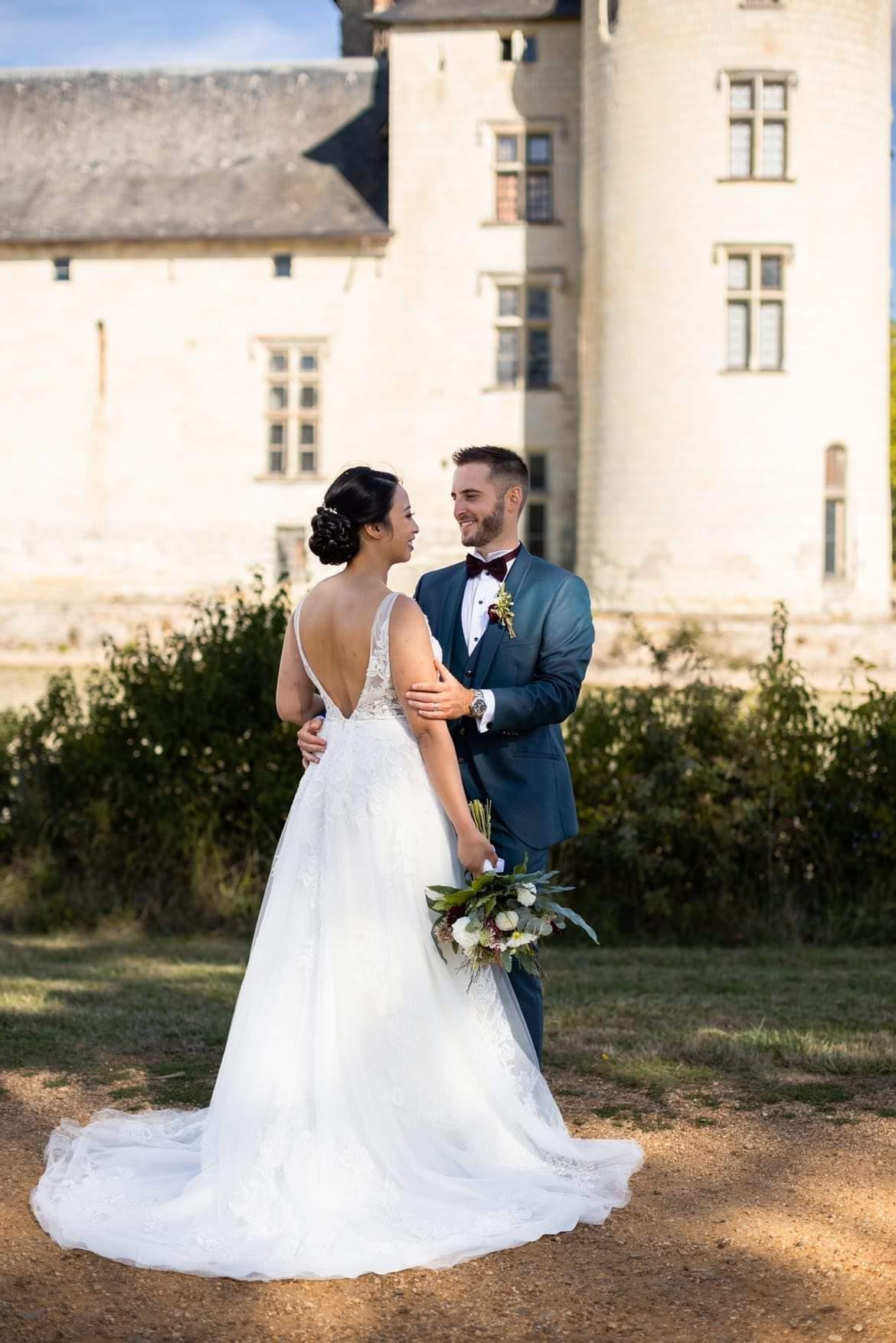
A lace-up corset back is one of the most requested changes we make. It is romantic, it photographs beautifully from behind, and it does something a zipper never can: it lets your gown be fitted to you, exactly, on the day.
But not every gown is a natural candidate, and the conversion is design work, not a quick swap. Here is what you need to know.
Why brides choose a corset back
- A sculpted fit. Lacing draws the bodice in evenly, shaping the waist and supporting the bust.
- Adjustability. If your body changes slightly before the wedding, lacing can absorb small differences that a zipper cannot.
- The back view. Your guests watch your back for the whole ceremony. A corset back makes it a feature.
- Comfort through the night. Lacing can be loosened a touch for dinner and dancing.
What the conversion involves
This is not simply removing a zipper and adding loops. Done properly, it means:
- Removing the zipper and opening the back seam, often through lining, structure and lace.
- Reinforcing the bodice. Lacing creates tension. The back edges need boning and support so they don’t buckle or gape.
- Adding a modesty panel. A fabric panel sits beneath the lacing so no skin or undergarment shows through.
- Setting the loops or grommets. Fabric loops give a soft, couture finish; grommets give a bolder, structured look. Spacing has to be exact for the lacing to sit evenly.
- Matching the finish. Lace or beading is carried across the new edges so the back looks original to the gown.
We sketch and approve the design with you before we cut anything.
Is your gown a good candidate?
Usually yes, if:
- the gown has a structured bodice with boning
- the gown fits well or is slightly snug at the back (lacing across a small gap can add a little room)
- the fabric is satin, mikado, crepe or a stable lace
It takes more care, if:
- the gown is very sheer or delicately beaded at the back
- the back has an illusion panel or low scoop
- the bodice has no internal structure
None of these rule it out. They change how we approach it, and we’ll tell you honestly what is possible.
What about fabric for the modesty panel and loops?
For redesign work, you bring the fabric, lace or trim. Your bridal shop can often order matching fabric from the gown’s designer. Ask early, as it can take weeks to arrive. We’ll tell you exactly how much to order at your consultation.
Timing and cost
Plan a corset back conversion alongside your standard alterations, ideally three to four months before the wedding. Corset back conversions are part of our gown redesign service and are quoted to your gown, after we have seen it on you.
If you would like to see one unfold, the redesign page shows a full corset back conversion from start to finish.